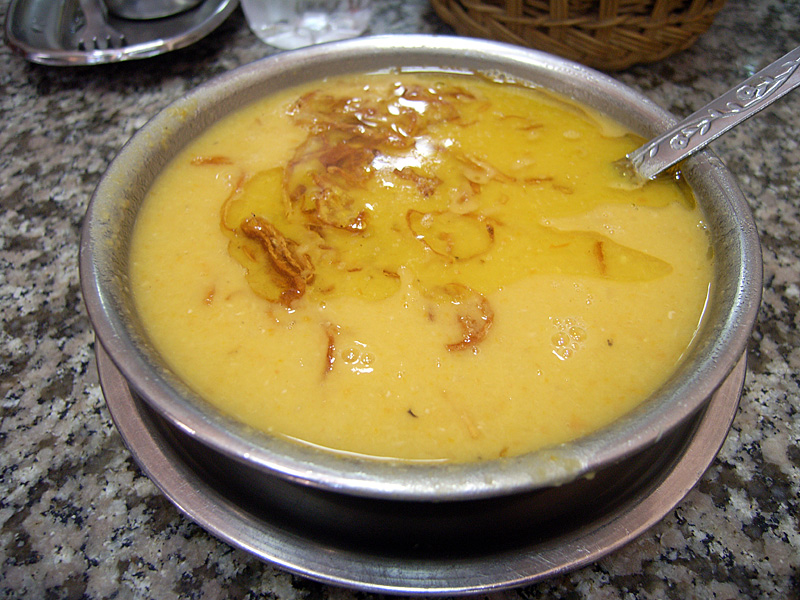
In the vast culinary tapestry of human history, few dishes boast the enduring legacy and widespread appeal of lentil soup. More than just a simple meal, this humble concoction represents a journey through time, a testament to human ingenuity in utilizing readily available resources for sustenance. From the earliest agricultural settlements to today's modern kitchens, lentil soup has nourished generations, evolving from an ancient staple into a celebrated superfood. Its story is one of resilience, cultural exchange, and timeless nutritional power, making it a truly remarkable dish.
The Humble Origins: A Journey Through the Fertile Crescent
The tale of lentil soup begins not in a bustling kitchen, but in the nascent agricultural fields of the Fertile Crescent, a crescent-shaped region spanning parts of the Middle East. Here, around 11,000 BCE, humans first began to domesticate crops, forever altering the course of civilization. Among these pioneering plants were lentils, the robust legumes that would become the core ingredient of countless meals.
Archaeological evidence, particularly in regions like Syria and Iraq, points to lentils as one of the earliest cultivated crops. Their ability to thrive in diverse conditions, coupled with their long shelf life when dried, made them an invaluable food source for early human communities. As these ancient peoples transitioned from nomadic hunter-gatherer lifestyles to settled agrarian societies, the need for stable, nutritious food became paramount. Lentils fit this requirement perfectly, providing a dense source of energy and protein. It's no exaggeration to say that lentil-based dishes, including the precursor to what we now call lentil soup, are among the oldest prepared foods known to humanity, born out of necessity and a deep understanding of the land's bounty.
Lentil Soup Through the Ages: From Ancient Greece to Biblical Tales
As civilizations rose and fell, the importance of lentil soup persisted, cementing its place in the diets of ancient peoples across various cultures. In ancient Greece, for instance, lentil soup was not merely a dish but a basic, affordable meal that sustained the general population. Philosophers and laborers alike likely enjoyed bowls of this hearty legume stew, appreciating its ability to provide warmth and nutrition without breaking the bank. It was a democratic food, accessible to all, and a cornerstone of the Mediterranean diet long before the term was coined.
Perhaps one of the most famous historical references to a lentil dish comes from the biblical narrative in Genesis 25:29-34. This vivid account describes Esau, famished after a hunting trip, trading his birthright to his brother Jacob for a pot of red lentil stew. This story underscores the profound perceived value of such a meal in ancient Near Eastern culture. It wasn't just food; it was life-sustaining nourishment, capable of commanding a price as high as a family inheritance. The rich, satisfying nature of a warm, flavorful lentil stew, particularly after a day of arduous labor, speaks volumes about its comfort and importance as a fundamental source of sustenance in antiquity.
Global Reach and Enduring Cultural Significance
The journey of lentil soup extends far beyond the ancient world, weaving its way through countless cultures and cuisines. Today, it stands as an economical and cherished source of nutrition across Mediterranean, Middle Eastern, European, and Latin American traditions. Its global popularity is a testament to the remarkable adaptability of lentils themselves, which can be spiced, seasoned, and prepared in myriad ways to suit local palates.
From the spicy shorbet adas of the Middle East to the rustic zuppa di lenticchie of Italy, each region has put its unique stamp on this timeless dish. It's often consumed during colder months, offering a comforting warmth, or as a fasting-friendly option in many religious traditions due to its plant-based protein and satiety. This enduring appeal stems from lentils' affordability and extended shelf life, making them a practical and reliable pantry staple for centuries. Different lentil varieties also play a crucial role in shaping the soup's character. Red lentils, often split and hulled, cook down to a smooth, creamy consistency, perfect for delicate pureed soups. Brown lentils, on the other hand, hold their shape, contributing a more substantial, chunky texture that provides a satisfying bite. To explore the diverse world of lentil soup preparations and textures, delve into Mastering Lentil Soup: Textures, Global Flavors & Budget-Friendly Tips.
From Sustenance to Superfood: The Nutritional Evolution of Lentil Soup
While historically prized for its basic sustenance, modern nutritional science has elevated lentil soup to the status of a true superfood. Lentils are a nutritional powerhouse, packing an impressive array of health benefits into every bowl. They are an exceptional source of high-quality plant-based protein, making them indispensable for vegetarian and vegan diets. Beyond protein, lentils are rich in dietary fiber, which is crucial for digestive health and contributes to feelings of fullness, aiding in weight management.
But the benefits don't stop there. Lentils also provide a wealth of essential micronutrients, including polyphenols (potent antioxidants), folate (vital for cell growth and function), iron (essential for oxygen transport), and various other minerals. Regular consumption of lentil soup has been linked to several significant health improvements, such as enhanced cholesterol levels, better blood sugar control, and reduced inflammation throughout the body. In an age where healthy eating is paramount, the simple lentil soup offers a profound way to boost overall well-being. Discover more about its incredible health advantages in Lentil Soup: A Plant-Based Powerhouse for Heart Health & More.
The Art of the Bowl: Ingredients, Textures, and Variations
At its heart, lentil soup is a simple yet profound culinary creation. The basic recipe involves simmering lentils with a medley of aromatic vegetables, typically onions, carrots, celery, and garlic, in a flavorful broth or water base. What truly distinguishes a great lentil soup, however, is the artful application of herbs and spices. Bay leaves, earthy cumin, fragrant thyme, and a hint of smoked paprika can transform a plain pot of lentils into a symphony of flavors.
The choice of lentil variety significantly dictates the soup's final texture. As mentioned, split red lentils are ideal for a velvety, pureed soup, breaking down beautifully to create a naturally creamy consistency without the need for dairy. Brown or green lentils, conversely, retain their shape better, offering a more substantial, chunky result that adds a satisfying chewiness to the dish. Beyond these common types, black beluga lentils provide a firm texture and a distinctive, slightly peppery flavor. This versatility means lentil soup can range from a light starter to a robust main course, adapting effortlessly to pantry staples and quick preparation for busy weeknights or elaborate weekend meals. Its rustic preparation leverages the natural properties of lentils, which absorb surrounding seasonings while providing a subtle starchiness, resulting in its characteristic thick, comforting consistency and earthy, mildly nutty flavor profile.
From its ancient origins in the Fertile Crescent to its esteemed place on modern dinner tables, lentil soup embodies a remarkable culinary journey. It stands as a testament to the enduring power of simple, wholesome ingredients to provide both profound nourishment and deep comfort. More than just a dish, it is a historical record, a cultural ambassador, and a nutritional champion, proving that sometimes, the oldest traditions are indeed the most valuable. As we continue to seek out healthy, sustainable, and satisfying meals, lentil soup remains a timeless choice, connecting us to a heritage of sustenance that spans millennia.
