Mastering Lentil Soup: Textures, Global Flavors & Budget-Friendly Tips
Lentil soup, a dish that has nourished humanity for millennia, transcends mere sustenance. It's a culinary canvas, a comforting embrace, and a testament to the power of simple ingredients. From its ancient origins to its modern-day superfood status, lentil soup offers a unique blend of heartiness, nutrition, and versatility that few dishes can match. This article will guide you through understanding the nuances of lentil textures, exploring the vibrant array of global flavors, and appreciating why this humble legume remains a budget-friendly kitchen hero.The Ancient Roots and Enduring Appeal of Lentil Soup
Long before modern agriculture, lentils were among the earliest crops domesticated by humans, with archaeological evidence placing their origins in the Fertile Crescent of the Near East as far back as 11,000 BCE. This makes lentil soup one of the oldest prepared foods, a foundational dish that sustained ancient civilizations across the globe. From ancient Greece, where it was a basic, affordable meal for the general populace, to the biblical narrative of Esau trading his birthright for a pot of red lentil stew, the historical significance of this legume is profound. Lentil soup's enduring popularity stems from its inherent adaptability and the robust nutritional profile of its core ingredient. Dried lentils boast an impressive shelf life, remaining viable for years when stored correctly, making them an ideal pantry staple through the ages. This affordability, combined with their ability to provide high-quality plant-based protein, fiber, and essential minerals, cemented lentil soup's place as an economical source of nutrition, especially in Mediterranean, Middle Eastern, European, and Latin American cuisines. It's a dish often favored during colder months for its warmth and heartiness, and also widely adopted as a fasting-friendly option due to its wholesome plant-based nature.Crafting the Perfect Texture: Red vs. Brown Lentils
The journey to mastering lentil soup often begins with understanding the different lentil varieties and how they transform during cooking. The type of lentil you choose dramatically influences the final texture of your soup, allowing for a spectrum from velvety smooth to deliciously chunky.- Red Lentils: The Creamy Dream
Red lentils, which are typically split and hulled, are the quick-cooking champions of the lentil family. Their lack of a skin means they break down rapidly and completely during simmering, yielding a wonderfully smooth, creamy, and often vibrant orange-hued soup. This characteristic makes them perfect for puréed soups, such as the classic Turkish Mercimek Çorbası. To achieve an extra-silky consistency, many chefs will use an immersion blender directly in the pot, or transfer batches to a regular blender, after cooking. Their mild, slightly sweet flavor also makes them a versatile base, easily absorbing a wide array of seasonings.
- Brown & Green Lentils: The Hearty Holdouts
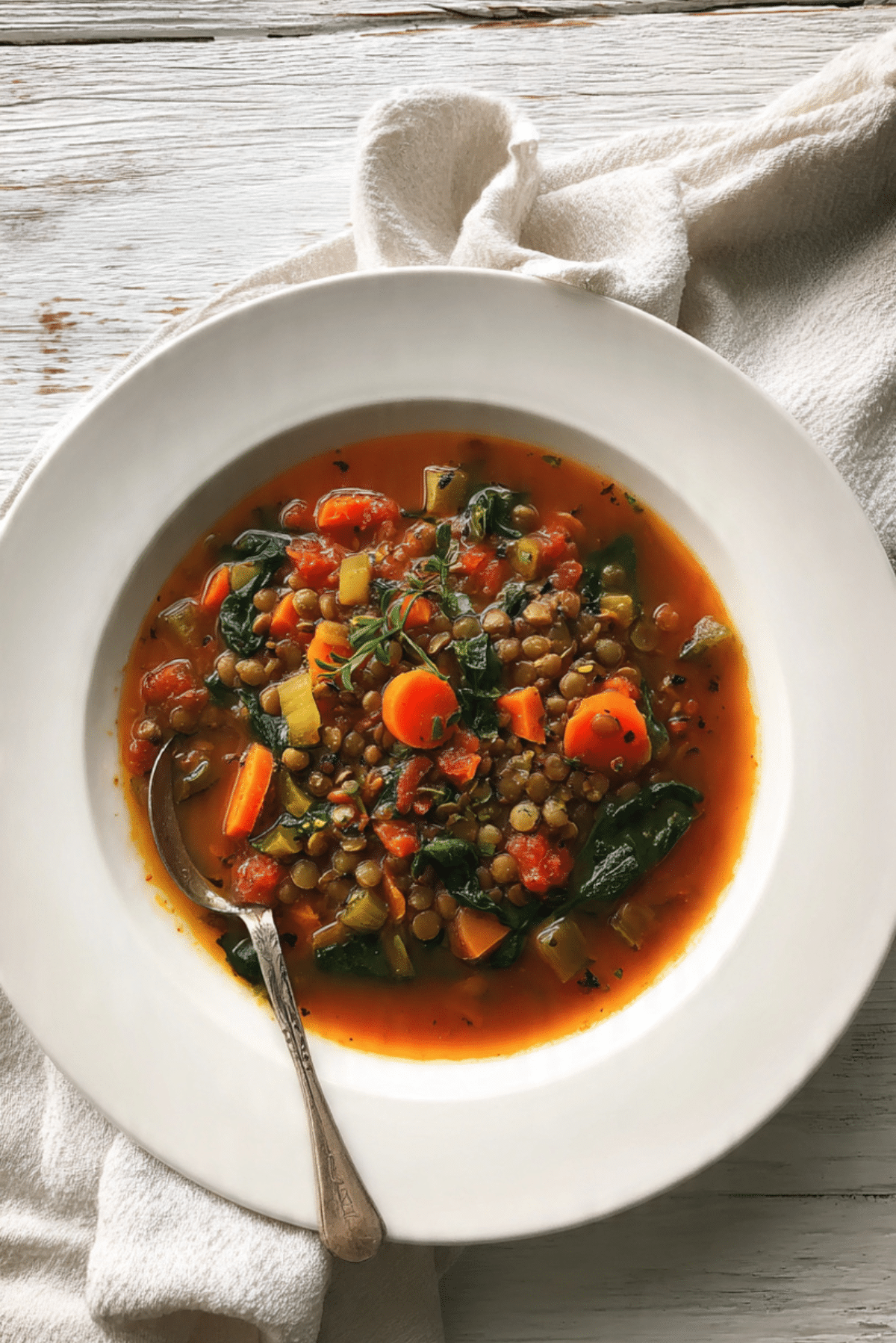
In contrast, brown and green lentils (including the esteemed French green lentils, often called Puy lentils) maintain their shape much better during cooking. Brown lentils offer an earthy, robust flavor and a satisfyingly chunky texture, ideal for rustic, substantial soups where you want distinct pieces of lentil in every spoonful. Green lentils, particularly French green lentils, are even firmer, possessing a peppery flavor and a striking visual appeal that holds up beautifully. These varieties require a longer cooking time than their red counterparts but reward patience with a more toothsome, substantial mouthfeel. They are excellent choices for soups designed to be a main course, often paired with vegetables, herbs, and even smoked meats.
- Other Varieties: Black and Beyond
While red, brown, and green are the most common, don't overlook black beluga lentils, which are small, round, and hold their shape exceptionally well, offering a sophisticated, caviar-like appearance and rich, earthy flavor to soups and salads alike.
A World of Flavor: Global Lentil Soup Variations
The true magic of lentil soup lies in its incredible adaptability to diverse culinary traditions. While the core ingredient remains consistent, the seasoning, aromatics, and accompanying vegetables transform it into a unique reflection of local palates.- Mediterranean Delights: In the Mediterranean, lentil soup often features a bright, zesty profile. Think generous drizzles of extra virgin olive oil, fresh lemon juice for acidity, and aromatic herbs like oregano, mint, and parsley. Garlic, onions, and sometimes a hint of tomato paste form the base, resulting in a light yet satisfying broth.
- Middle Eastern Aromas: Journey to the Middle East, and you'll encounter lentil soups rich with warming spices. Cumin, coriander, turmeric, and sometimes a pinch of chili flakes are common. Often served with a swirl of plain yogurt and a sprinkle of sumac, these soups (like the ubiquitous Shorbat Adas) are deeply comforting and incredibly fragrant.
- Indian Spiced Lentils (Dal): India’s vast culinary landscape offers an unparalleled array of lentil dishes known as "Dal." While many are stew-like, others are soupy. Here, the flavors explode with a complex blend of curry leaves, mustard seeds, ginger, garlic, green chilies, and garam masala. A technique called "Tadka," where spices are tempered in hot oil and then poured over the cooked lentils, is key to unlocking intense aromas.
- European Heartiness: European versions often lean towards robust and rustic. French lentil soup might incorporate carrots, celery, leeks, and a bay leaf, sometimes enriched with a touch of red wine or even bacon. German and Central European styles often feature smoked sausage or ham, creating a hearty meal in a bowl, often seasoned with thyme or marjoram.
- Latin American Twists: In parts of Latin America, lentil soup might start with a savory sofrito base, adding ingredients like potatoes, cilantro, and sometimes plantains or chorizo for a unique flavor dimension.
Lentil Soup: A Nutritional Powerhouse & Budget-Friendly Meal
Beyond its rich history and incredible flavor diversity, lentil soup stands out as an exceptional nutritional choice and a champion for budget-conscious cooking. Lentils are true plant-based powerhouses, packed with an impressive array of health benefits:- High-Quality Plant Protein: Essential for muscle repair and overall body function, lentils offer a significant source of protein, making them an excellent meat substitute.
- Abundant Fiber: Both soluble and insoluble fiber contribute to improved digestive health, satiety, and help regulate blood sugar levels.
- Rich in Micronutrients: Lentils are loaded with vital minerals and vitamins, including iron (crucial for energy and preventing anemia), folate (important for cell growth and DNA synthesis), potassium, magnesium, and zinc.
- Polyphenols & Antioxidants: These compounds help combat oxidative stress and inflammation, contributing to long-term health benefits like improved cholesterol levels and a reduced risk of chronic diseases.
Tips for Your Best Bowl: From Pantry to Pot
Creating your ultimate lentil soup is a satisfying culinary journey. Here are some actionable tips to elevate your next batch:- Sauté Your Aromatics: Always start by sautéing your onions, carrots, and celery (a classic mirepoix) in olive oil until softened and fragrant. This foundational step builds a layer of flavor that will permeate the entire soup. Don't forget garlic – add it towards the end of the sautéing process to prevent burning.
- Toast Your Spices: For many global variations, especially those with cumin and coriander, briefly toasting whole or ground spices in the pot before adding liquids can awaken their essential oils, intensifying their flavor profile.
- Quality Broth Matters: While water works, a good quality vegetable or chicken broth will deepen the flavor of your soup significantly. For an extra rich taste, consider homemade broth.
- Season in Layers: Don't wait until the end to season. Add salt, pepper, and your core spices early on, taste during cooking, and adjust as needed. A final pinch of salt and a grind of fresh pepper at the very end can make a huge difference.
- Acid for Brightness: Lentils can sometimes be a bit earthy or flat. A squeeze of fresh lemon juice, a splash of red wine vinegar, or even a dash of balsamic vinegar at the end can brighten the flavors and balance the richness.
- Garnishes Galore: Don't underestimate the power of a garnish. Fresh herbs like parsley, cilantro, or dill; a swirl of plain yogurt or a dollop of crème fraîche; a drizzle of good quality olive oil; crunchy croutons; or a sprinkle of chili flakes can add visual appeal, texture, and a burst of fresh flavor.
- Add-ins for Substance: Want to make it an even heartier meal? Stir in some cooked grains like rice or bulgur, add leafy greens like spinach or kale during the last few minutes of cooking, or for non-vegetarian versions, a bit of cooked sausage or bacon.
- Don't Overcook: While red lentils are meant to break down, be mindful not to let brown or green lentils turn to mush. Cook until they are tender but still hold their shape (al dente).
